

The Graphic Revolution
And how "Spider-Man: Into the Spider-Verse" Ushered in a New Era of Cinematic Marvel

We find ourselves at the intersection of tradition and innovation, where the past fuels the future. Animation has been reborn, and the legacy of "Into the Spider-Verse" lives on in the tapestry of creativity that continues to unfold on screens worldwide.
Once upon a time, in the world of animation, a film emerged that shattered conventions and propelled the medium into uncharted territory. "Spider-Man: Into the Spider-Verse," a groundbreaking masterpiece that combined 2D and 3D animation with comic book aesthetics, graced our screens and rewrote the rulebook for cinematic storytelling.
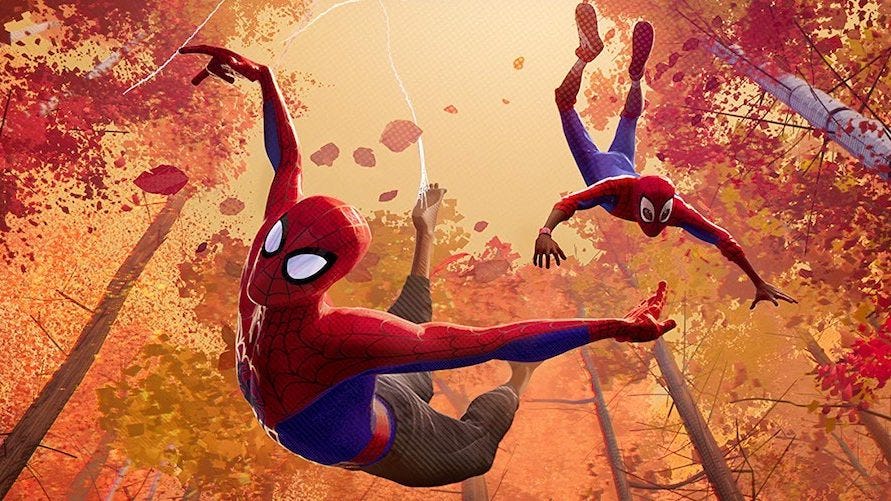
When "Spider-Man: Into the Spider-Verse" swung into theaters, it breathed new life into the world of animation by embracing the past and future simultaneously. The thick lines, vibrant colors, and halftone patterns invoked the golden age of comic books, infusing the animation with an evocative nostalgia. But this wasn't just a throwback; it was a reimagining that introduced us to a visual experience that merged the charm of traditional art with the dynamism of the digital age.
And now, reflecting on it from the vantage point of newer releases like "Puss in Boots: Last Wish" and "Teenage Mutant Ninja Turtles: Mutant Mayhem," it's clear that "Into the Spider-Verse" laid the foundation for a movement that continues to shape the future of animation.
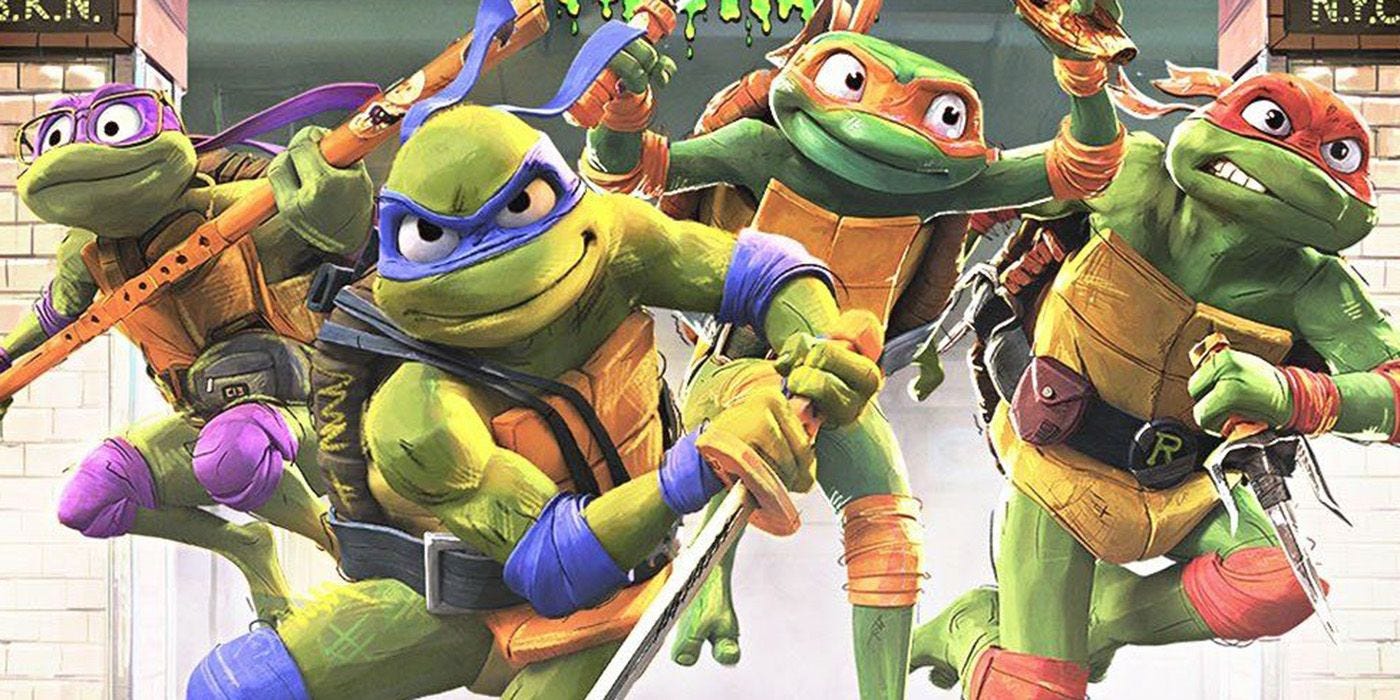
In an era when 3D animation dominated the scene, "Into the Spider-Verse" dared to be different. The deliberate use of reduced frame rates, once seen as unconventional, blossomed into a distinctive feature that breathed life into action sequences. This unique choice lent an energetic rhythm to the narrative, reminiscent of the kinetic energy found within comic book panels.
The inclusion of thought bubbles, onomatopoeia sound effects, and text overlays was far more than a nod to comic book origins; it added an immersive layer that transcended the screen, inviting viewers to be active participants rather than passive spectators.
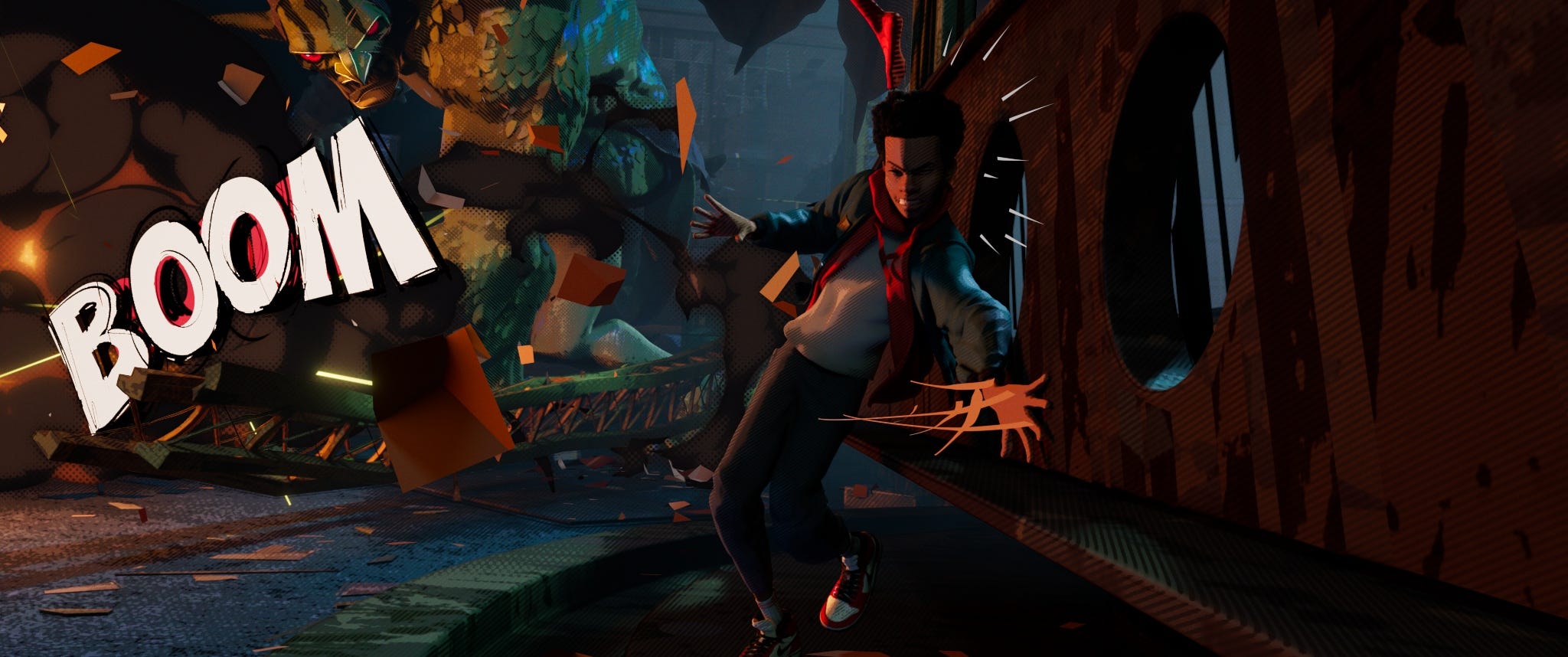
What was once a glimpse into the future is now a reality. The animation style birthed by "Into the Spider-Verse" has not only stood the test of time but has also evolved into a dominant force within the realm of cinematic animation. The seamless blend of 2D aesthetics and 3D technology, pioneered by "Spider-Verse," has proven to be a versatile canvas for storytellers, enabling them to create worlds that are both visually striking and emotionally resonant.
In hindsight, the impact of "Spider-Man: Into the Spider-Verse" is undeniable. Its fusion of retro charm and cutting-edge techniques has left an indelible mark on animation.
As we revel in the progress made by subsequent films, we must remember that it was this one that ignited this revolution.
Stay Inspired!